How to Host a Successful Event
Practical tips for hosting a community event to bring people together
WORKPLACERELATIONSHIPSMENTORSHIPNEWS
The Bay Staters Team
5/12/20266 min read
Bringing people together makes a better world.
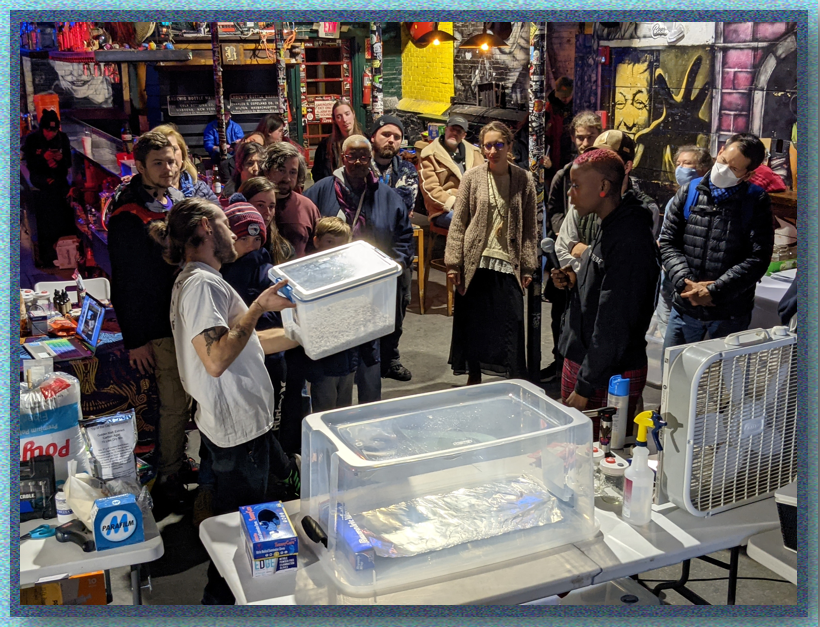
Our community group prides itself that there are long-term friendships and relationships that began at our events, becoming far greater than our work itself. As community members bond over their experiences with psychedelics, foraging for mushrooms, or making art together at our events, they are living life in the present and learning. At a time when divisions are stark, it is beautiful to see people across career journeys, class, culture, age, and education level get together to celebrate nature.
Through hosting, we have learned some valuable lessons along the way, and we’re excited to share them here so you too can host a community event (or even a personal get-together with more success).
Define Your Event and Its Goals
People do big things for big causes, so if you bring to work an energy that your meetup will have a larger impact for the world, it will attract people who want to build that vision with you. After all, in order to have a well-attended event, there is no substitute for exciting people. That means sparing no effort designing a nice poster on an application like canva, brainstorming a catchy title that clearly conveys what your event is about, and having a larger purpose or goal embedded in the programming.
To do this, it is important to center your intended audience. Is your intended audience parents? Then think about what unique needs they may need, including programming to occupy kids’ energetic minds. Is your event intended for a intergenerational cross section of community members? Then say so, explicitly, so that older people do not feel like they are somehow too old to join. Feel free to explicitly state who the event is for so that people attracted to its vibration find it and know what to expect. If people don’t know what your event is about, they may get intimidated or shy to join.
Focus on Social Connection
When we first started organizing events, we went all out. We would have sometimes up to six different presentations by different speakers as well as live bands and music. In regard to the live music, we received feedback from our attendees that while they loved it… it distracted in some ways from their core intention: connecting with other people passionate about mushrooms and nature.
Simple is sexy, as the saying goes. It is important to have high quality materials with your identity featured prominently and do what you do very well in terms of presentation and shared activities. But remember that all of your programming should be focused on opening up opportunities for people to meet each other and enjoy each other’s company.
For example, consider arranging chairs in semi-circles of four, instead of rows, so that people passively are more likely to see one another. Place an emphasis on introducing yourself to those who join as the host (or greeting old friends as they join), then introducing them in-turn to other attendees. Ask what brought them to your event, which is often a great way to get to know people on a deeper level and find areas of shared interest around the theme.
Personally, our team likes to announce about 10-20 minutes into the event as people are settling in that “We’ll be getting started with the presentation in five to ten minutes. Please consider turning to someone new to introduce yourself or inviting someone into your conversation you haven’t met yet.” This simple trick often creates wonderful social buzz by giving people a permission structure to talk to strangers without feeling that they are being out-of-place by initiating conversation: it’s normalized.
Here too it is important to consider the size of your event. As an organization, we generally prefer to host events that are between 30-50 people through an afternoon with an approximate peak of about 30. We have found that this number of people feels approachable. No one feels like there are so many people that they are missing out by focusing on a deeper conversation with one or two people (a common problem at networking events). People also feel like they are part of whole, instead of a stranger in a massive crowd. If your event, for whatever reason, happens to be larger than this model, consider ways to arrange the space so that people are still encouraged to socialize or form in smaller conversation groups.
Make Presentations Collaborative
Have you ever attended an event where chairs for guests are seated shoulder to shoulder, and a host asks a panel of three or four people the same questions? Then, at the end the panel, there’s only time for one or two questions? While this event format is fairly common, it leaves a lot to be desired especially for events that want to promote higher-level thinking and connection.
There is a reason why podcasts with free flow conversation are the norm on the internet instead of panels, so consider letting your presenters share what they are most passionate about and having the moderator bring out common themes in a conversation style. Consider too letting the audience raise their hands to ask questions throughout the presentation so that they too can be part of steering the discourse.
After all, especially at educational events, the attendees often have just as brilliant and relevant of insights to bring to bare as the official speakers. If a collaborative question model is not possible, consider taking a pause mid-presentation to have audience members discuss a question among one another. A successful event will empower every highly-intelligent person attends to feel like their expertise or knowledge was heard, and it will empower every novice on your given question to feel like their questions (no matter how small or obvious to you) were answered and heard too.
Give People Something to Do (Like Snack)
People relieve their social anxiety by moving their bodies, whether drinking a seltzer, munching on fruit and chips, or walking around as part of the event. Be sure to bring some high quality snacks, though in our experience we avoid promising a full meal to contain costs and manage expectations.
In terms of food, we strongly recommend keeping snacks plant-based: meaning free of animal products like meat, dairy, or eggs. Not only does this have societal benefits, it serves to ensure that nearly every allergen and dietary preference is accommodated. Plant-based options are often kosher, hallal, pescatarian, vegetarian, vegan, dairy-free, and often free of allergens like gluten and nuts as well with a little mindfulness. Events that order a small amount of plant-based choices often run out of them, leaving people with a preference without anything to eat. That is because many people, or at least some, without dietary preferences will still choose the plant-based choice because it appeals to them or they are health conscious. To overcome these challenges, consider going with the most accessible choice. It’s truly hard to go wrong with delicious chips, salsa, hummus, and mandarin oranges for example.
Stay Focused as an Organizer
Planning events is a lot of work, so it can be highly fulfilling to partner with another organization or friend to help make it happen. However, many well-intentioned people who commit to helping with events flake and don’t show up where it counts. So too there will be people who commit to attending that later choose not to or have something else come up. In these situations, it is very important to just let it go and adapt. Reacting negatively to this will just limit your ability to have these individuals serve as informal boosters of your programming in the future by, for example, speaking well of you or sharing your events with their network.
Life is truly a group project, just like in high school. Identify people who are your “golden gooses,” individuals who share a larger vision with you and a clearly demonstrated work ethic. Put most of your energy into building projects with them. Be nice and grateful to your “normal gooses” who cannot commit as much as you. Be kind and patience with your “lazy gooses” who, for example, commit to bringing snacks then just… don’t (creating last minute work for you). And respectfully limit interaction with “hater gooses,” the people who just want to cause drama or constantly find issues. Don’t react to the haters or let them occupy your head space because if you starve them for attention and stay focused on keeping your vibration positives many people see through them. Everyone on the internet has an opinion. Focus on those who share your values and build with them.
Speaking of which, don’t let your event or work get bogged down by endless planning meetings. Make the executive decision with a fellow golden goose on the date, venue, time, and title of the event. Like jazz, let the details fall into place once you have a confident read on this vital details. You can plug more people into the programming or incorporate them, and you may have more success inviting people to be a part of programming if they know you have full confidence the event is on and it’s happening.
Directly Invite People and Engage
The best way to generate attention for an event is to simply talk to or text people directly let them know they’re invited and you want to see them there. Use a calendar sign-up tool so you can remind people that the event is happening. Directly encourage them to invite friends. Social media is no substitute for meeting and engaging with people directly.
Just Do It
The worst that could happen is that not a soul shows up, and you get to eat snacks. Seriously. Let go of the pre-event anxieties of how many people will show up, focus on making direct invites, flyers, and online promotion out, then let go. Your event size is always going to be the perfect size if you adopt that mindset. If you had the drive to read these tips, trust yourself and put these skills to the test by hosting.
And let us know if we can ever be helpful or collaborate with you too.
Bay Staters for Creative Well-Being
Building healthful community through creative art and nature education
© 2026. All rights reserved. Bay Staters Incorporated, 501(c)3